
English| EUR
Suggested for you
More currencies
Choose a language
Brixton sits in zone 2 of south London, a district that has moved through decades of transformation while keeping its reputation unexamined by many first-time visitors. The question of danger here is less binary than contextual: thousands walk its markets and residential streets daily without incident, yet specific blocks and hours carry different risk profiles. This guide separates perception from current conditions.
Quick answer
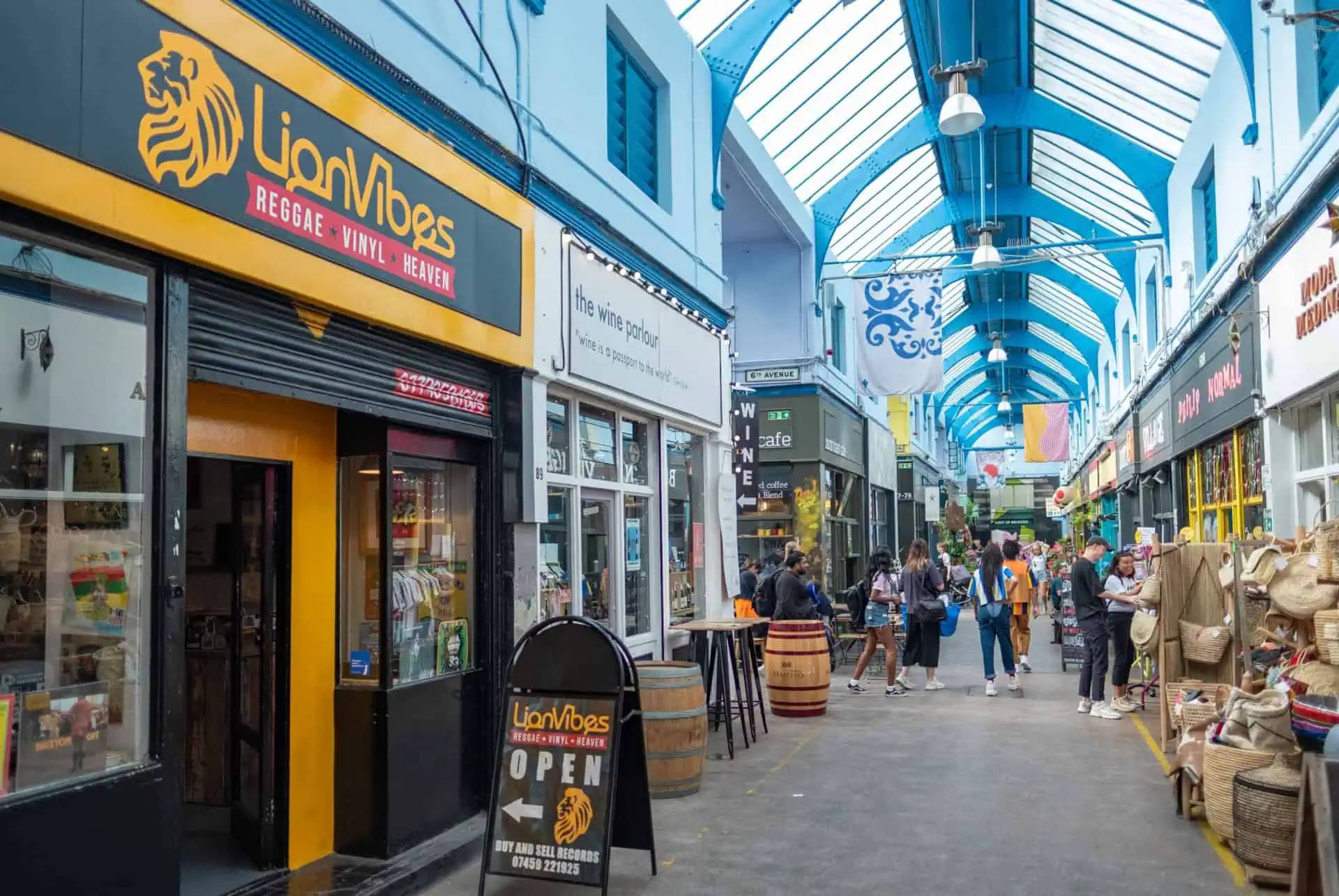
Brixton is not dangerous for most visitors during daytime hours, particularly in the commercial core around Brixton Village, Electric Avenue, and the station. Crime statistics show higher-than-average rates for some offences compared to outer London boroughs, yet violent crime against tourists remains uncommon. The district sees heavy foot traffic between 10:00 and 18:00 when markets operate, and standard urban precautions—keeping valuables concealed, staying aware on quieter side streets after dark—apply as they would in any dense city neighbourhood.
Brixton recorded approximately 1,240 crimes per 1,000 residents in the twelve months to early 2026, placing it in the upper third of London boroughs for reported incidents. That figure includes theft, anti-social behaviour, and drug offences concentrated in predictable zones rather than spread uniformly. The vast majority of visitors to Brixton Village, Pop Brixton, and the covered arcades experience no safety issues; the commercial district between Coldharbour Lane and Atlantic Road hosts international food tours, weekend shoppers, and evening diners without regular incident reports. Safety perception in Brixton often lags behind its current reality by a decade or more. The area saw significant tensions in the 1980s and 1990s, events that shaped its external reputation but bear limited resemblance to the residential and commercial district that exists now. Gentrification has redistributed both demographics and risk: the blocks immediately surrounding the Tube station are well-lit, heavily trafficked, and monitored, while estates to the east and south of Brixton Road remain less visitor-oriented and require the same caution you would apply in Peckham, Elephant and Castle, or other mixed-income south London neighbourhoods. Street-level risk in Brixton follows a predictable rhythm. Daytime hours in the market quarter are statistically safer than many central London shopping streets; evening hours between 18:00 and 22:00 see increased activity around bars and music venues but retain visibility and foot traffic. After 23:00, particularly on side streets away from Brixton Road and Acre Lane, the risk profile shifts: fewer witnesses, reduced transport frequency, and higher likelihood of opportunistic crime. Visitors arriving for the markets or joining evening food experiences face minimal risk when they stay within the commercial perimeter and travel in pairs or groups after dark. The question of whether Brixton is dangerous cannot be answered with a single verdict. It is a working district where crime exists but does not dominate daily life, where visitor-focused areas operate safely within defined hours, and where awareness of surroundings matters more than avoidance. Thousands visit weekly for its food, music, and markets; the key is knowing which streets welcome exploration and which require heightened attention.
“Daytime hours in the market quarter are statistically safer than many central London shopping streets.”
Public perception of Brixton is often shaped by outdated stereotypes from past decades rather than its current status. Today, it serves as a bustling cultural hub that hosts thousands of visitors every day.
MythBrixton is a no-go zone for tourists.
FactBrixton is a busy, well-populated district that welcomes visitors daily as a key cultural destination.
MythOnly locals visit the area safely.
FactThousands of people visit Brixton regularly to experience its vibrant atmosphere and diverse community.
MythCrime rates in Brixton are higher than other central London areas.
FactLike any major London district, Brixton experiences urban challenges, but it remains a primary destination for commuters and tourists alike.
Navigating Brixton safely relies on standard urban awareness and making informed choices during your visit.
Keep your belongings secure and close to your body while walking through crowded areas like Brixton Village. Pickpockets often target distracted tourists in dense pedestrian zones.
When moving between venues after dark, prioritize walking along primary streets such as Brixton Road and Atlantic Road. Avoid cutting through quieter residential side streets or unlit alleyways.
If you need a vehicle late at night, book a licensed minicab through a known app or use London black cabs. Avoid accepting rides from unbooked private vehicles operating in the area.
Minimize phone usage while walking on busy sidewalks to remain aware of your immediate surroundings. If you need to check a map, step inside a local shop or cafe first.
If a specific street or area feels uncomfortable, change your route or head toward a populated space with active businesses. Local residents and shop staff are generally helpful if you need guidance toward a busier thoroughfare.
Brixton is located in the London Borough of Lambeth and is most efficiently reached via the extensive public transport network. The primary transit hub is located at the center of the district, providing direct access to major markets and food venues.
Victoria Line to Brixton Station
Southeastern services to Brixton Station
Routes 2, 3, 35, 37, 45, 59, 109, 118, 133, 159, 196, 250, 322, 333, 345, 415, 432, P4, P5
From Brixton Station to Brixton Village
Arrive at Brixton Underground station, which is the terminus of the Victoria Line, and follow signs for Brixton Village; this places you directly in the heart of the main food and market area.
As a public district in London, Brixton is accessible at all times, though business operations within the markets follow a specific schedule.
Brixton is a public district in London, meaning there are no entry requirements or gated access points to visit the area. Access to all streets, public markets, and thoroughfares is open to the public.
Verdict: Visitors pay 0 GBP to enter Brixton, as it is a public district with no admission costs.
Everything you need to know about is brixton dangerous
Brixton is a vibrant and bustling district, and like many busy urban areas in London, it is generally safe for visitors who remain aware of their surroundings. While some travelers ask is brixton dangerous, the area is a popular destination for culture, music, and food lovers. Using common sense, such as keeping belongings secure in crowded places, is recommended for any major city visit.
Public safety in the area is monitored by local authorities, and the perception of whether is brixton dangerous often differs from the reality of the daily community life. Most incidents are isolated, and the main commercial areas, including the markets and Brixton Village, remain busy and well-trafficked hubs. Staying informed and sticking to well-lit, populated streets is a standard practice for navigating London neighborhoods.
Visiting in the evening is common for those enjoying the local nightlife, and the area remains active long after dark. While concerns about whether is brixton dangerous may arise when planning late-night outings, the district is filled with restaurants and venues that host regular crowds. It is advisable to use registered taxis or public transport when moving between venues late at night.
When exploring iconic local spots like the Electric Avenue or various community murals, maintain situational awareness and keep your valuables out of sight. Rather than worrying if is brixton dangerous, focus on enjoying the rich heritage and diversity that define this part of South London. Many visitors find that joining a guided food tour provides a structured and comfortable way to navigate the neighborhood.
Families often visit the markets and local parks during the day without incident, finding the area welcoming and full of life. Parents asking if is brixton dangerous will find that daytime hours are family-oriented, with many businesses catering to local residents and visitors alike. Plan your visit during daylight hours to experience the local culture in a relaxed atmosphere.
The most effective way to enjoy the district is to plan your trip during the recommended arrival window of 10:00–18:00 when businesses are fully operational. Taking a food tour is a great way to discover hidden gems while being led by a knowledgeable local guide. This approach allows you to explore the local culinary scene with confidence and ease.