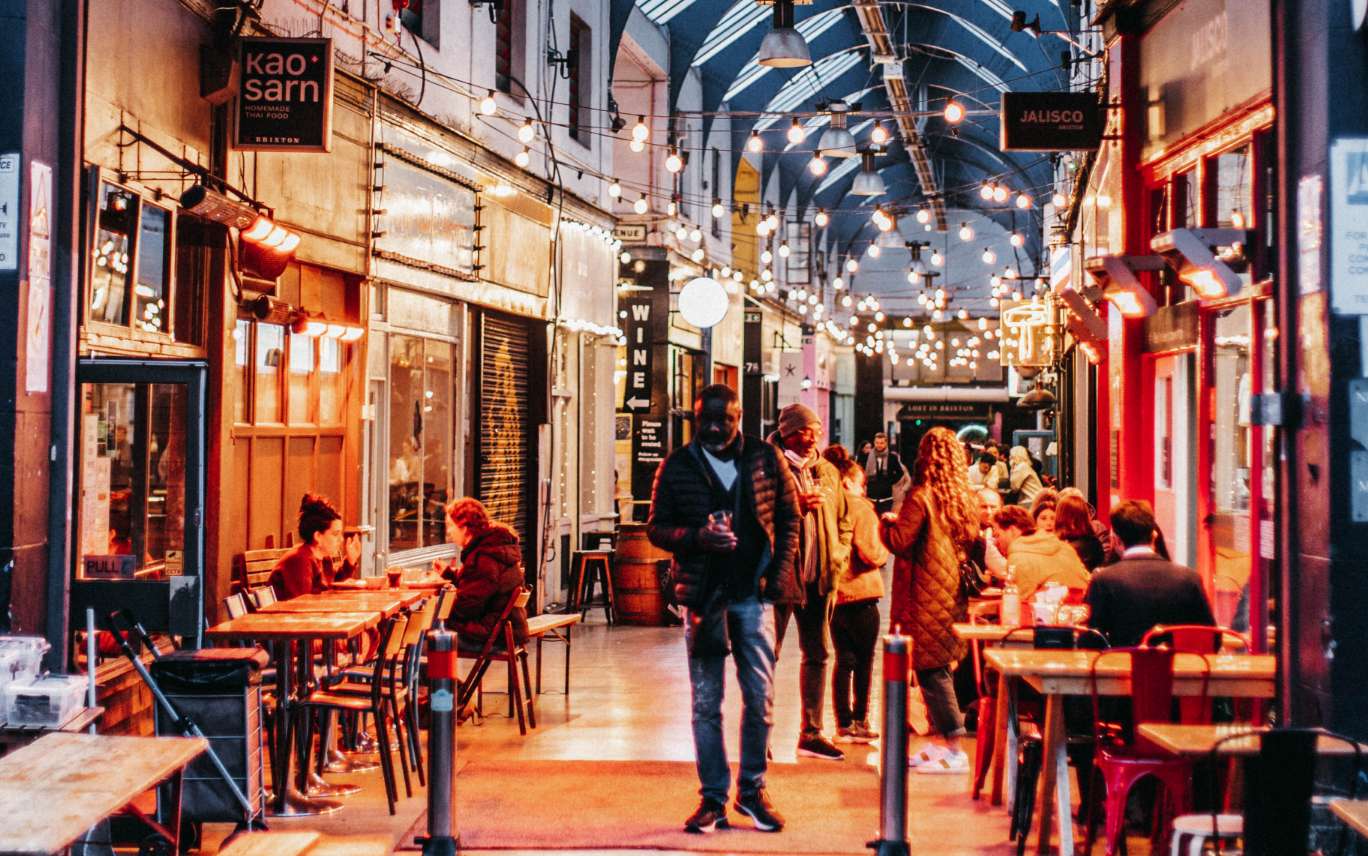
Brixton Village
A covered market complex featuring 1920s architecture and independent businesses.
Visit during the morning to observe the market’s architectural details.
Brixton carries a cultural weight that far exceeds its square mileage. This South London district earned its place in history through decades of Caribbean migration, punk and reggae innovation, and a market economy that still thrives on Atlantic Road and Electric Avenue. The answer to what defines Brixton sits at the intersection of food, music, activism and street-level commerce.
Quick answer
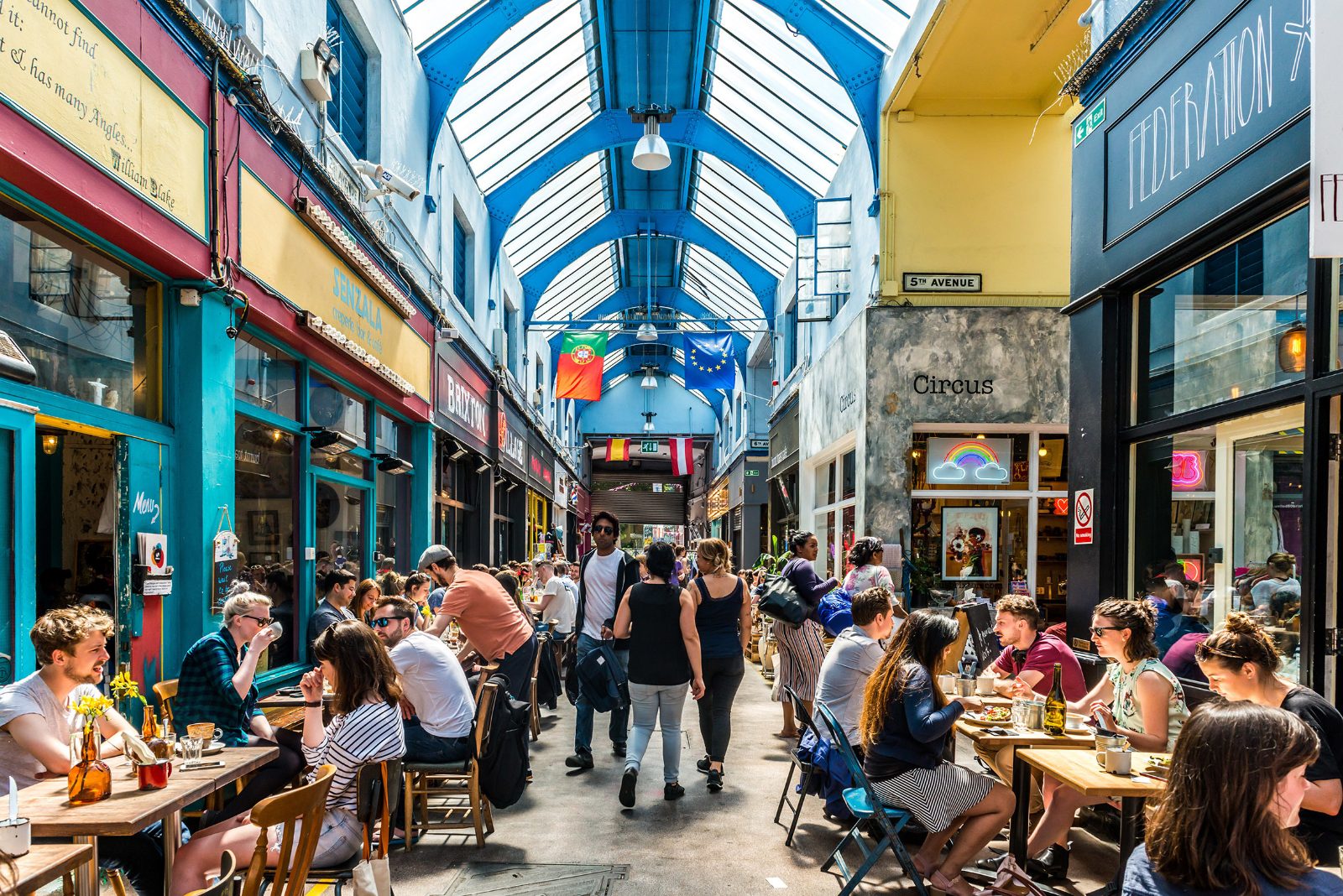
Brixton is known for its thriving indoor and outdoor markets, its pivotal role in British reggae and punk history, and its status as the heart of London's Caribbean community since the Windrush generation arrived in the late 1940s. The district also carries a legacy of political activism, visible street art, and a distinct culinary identity shaped by Afro-Caribbean ingredients and independent food vendors. Brixton Village and Market Row remain two of London's most culturally diverse trading arcades.
Electric Avenue was the first market street in London lit by electricity, and the infrastructure that made it a novelty in 1880 still powers the stalls today. The name entered global recognition through Eddy Grant's 1983 track, but the street itself has been a trading artery for over a century, linking Brixton Road to the covered arcades that now house Brixton Village and Market Row. What is Brixton known for begins with migration. The arrival of the Empire Windrush in 1948 brought the first significant wave of Caribbean families to South London, many of whom settled in Brixton due to affordable housing and proximity to labour markets. That demographic shift built the cultural infrastructure that defines the area now: record shops that introduced ska and rocksteady to British audiences, churches that blended Pentecostal worship with gospel tradition, and market stalls selling yam, saltfish, Scotch bonnet and cassava to a community recreating home. Brixton's reputation for music extends beyond reggae. The district became a flashpoint for punk and post-punk in the late 1970s, with venues like the Brixton Academy (now O2 Academy Brixton) hosting the era's defining acts. The Clash recorded "Guns of Brixton" as an homage to the area's tension and resilience during a period marked by economic decline and strained police relations. That same friction sparked the 1981 Brixton riots, a watershed moment in British race relations that led to the Scarman Report and long-overdue policy reform. Today the district balances its heritage with rapid gentrification. Brixton Village, once a quiet arcade of butchers and fabric stalls, now operates as a destination dining hub where Caribbean bakeries sit alongside natural wine bars and Colombian arepas stands. The market remains free to walk through daily, and the energy peaks mid-morning through late afternoon when vendors are in full trade. Street art covers the railway arches and Pop Brixton, a temporary container park, channels the area's creative economy into food, retail and workspace. Brixton's identity is not a single story. It is a layered answer built from migration, music, resistance, commerce and reinvention. The markets remain the centre of gravity, but the culture that sustains them extends into every side street, sound system and shopfront across SW9.
“Electric Avenue was the first market street in London lit by electricity, and the infrastructure that made it a novelty in 1880 still powers the stalls today.”
The best arrival window to experience Brixton is 10:00–16:00, as this period captures the district during peak market activity and local street life. While the area maintains a 24-hour rhythm, this timeframe offers full access to the vendor stalls and characteristic atmosphere.
—
The district is quieter and easier to navigate for those preferring a calmer pace.
—
Markets are at their most active and the streets are densely populated.
Mild temperatures between 12°C and 18°C
These shoulder seasons offer comfortable conditions for walking through outdoor market zones.
Chilly with averages around 5°C
Indoor areas remain the focus during colder, shorter days.
Verdict: The best time to visit is Tuesday to Thursday between 10:00 and 16:00, particularly during the mild months of May or September.
Brixton is defined by a collection of historic landmarks, vibrant street markets, and public art that reflect its cultural evolution. These sites serve as the focal points for understanding the area's social and architectural identity.
A covered market complex featuring 1920s architecture and independent businesses.
Visit during the morning to observe the market’s architectural details.
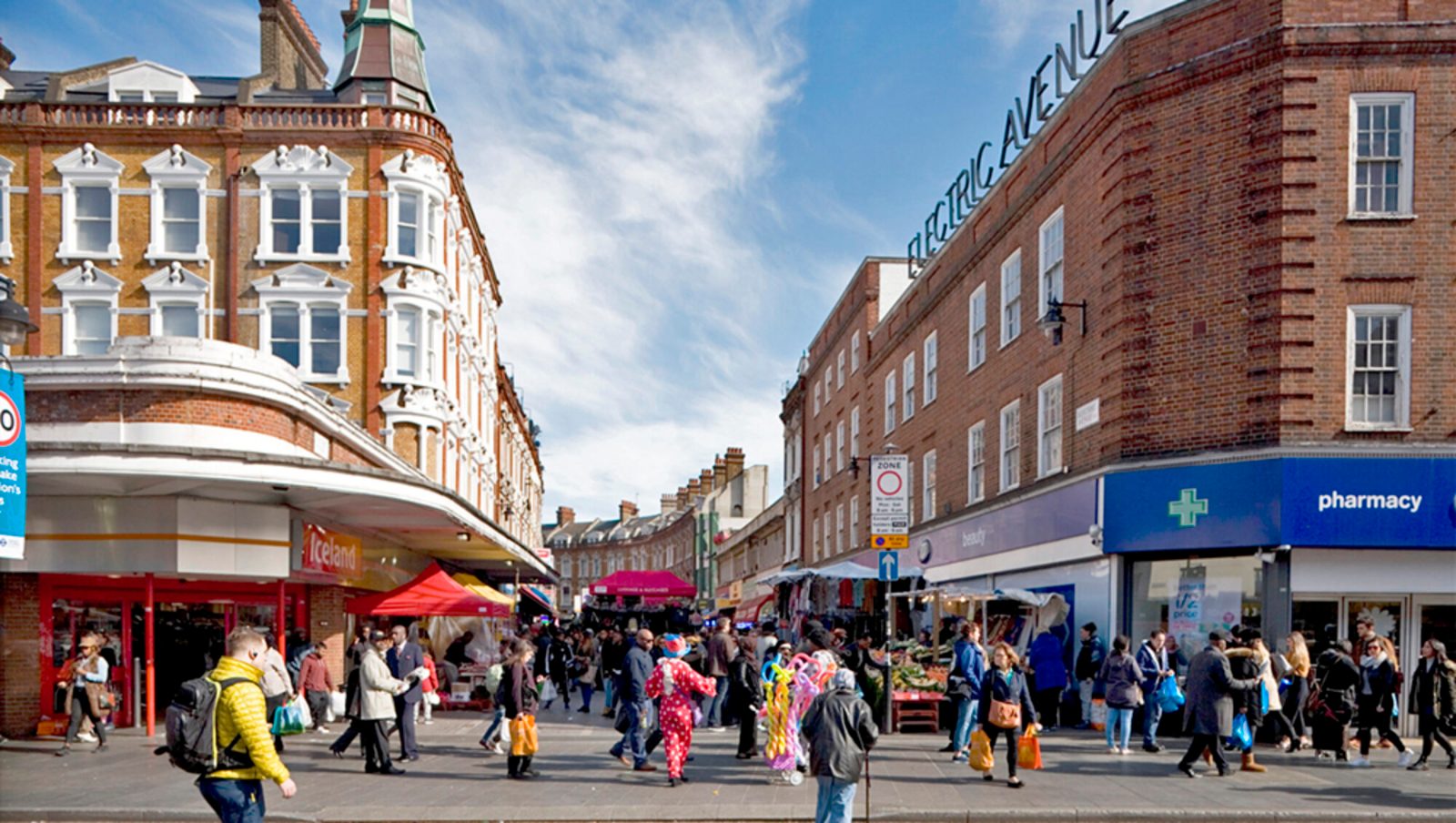
Recognized as one of the first market streets in London to be lit by electricity.
Walk the full length to see the original Victorian shopfronts.
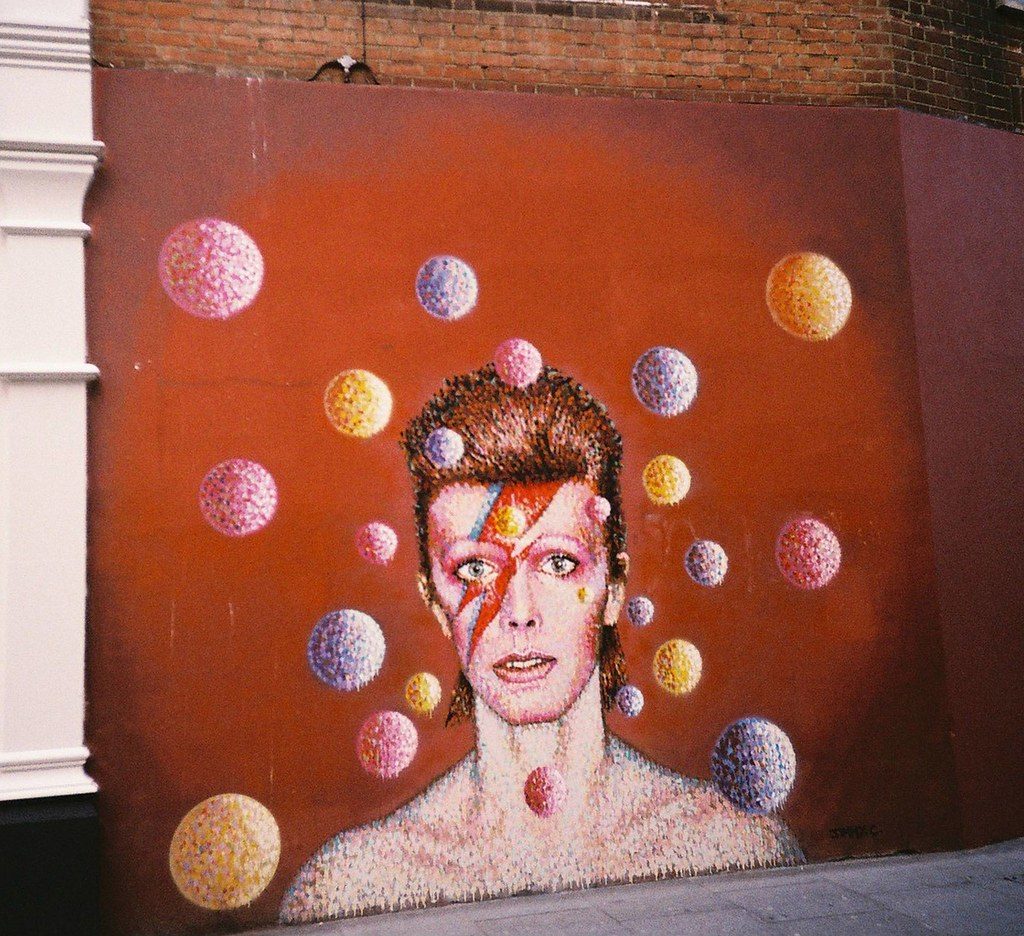
A prominent piece of public art located near the Brixton underground station.
View this tribute from the opposite side of Tunstall Road.
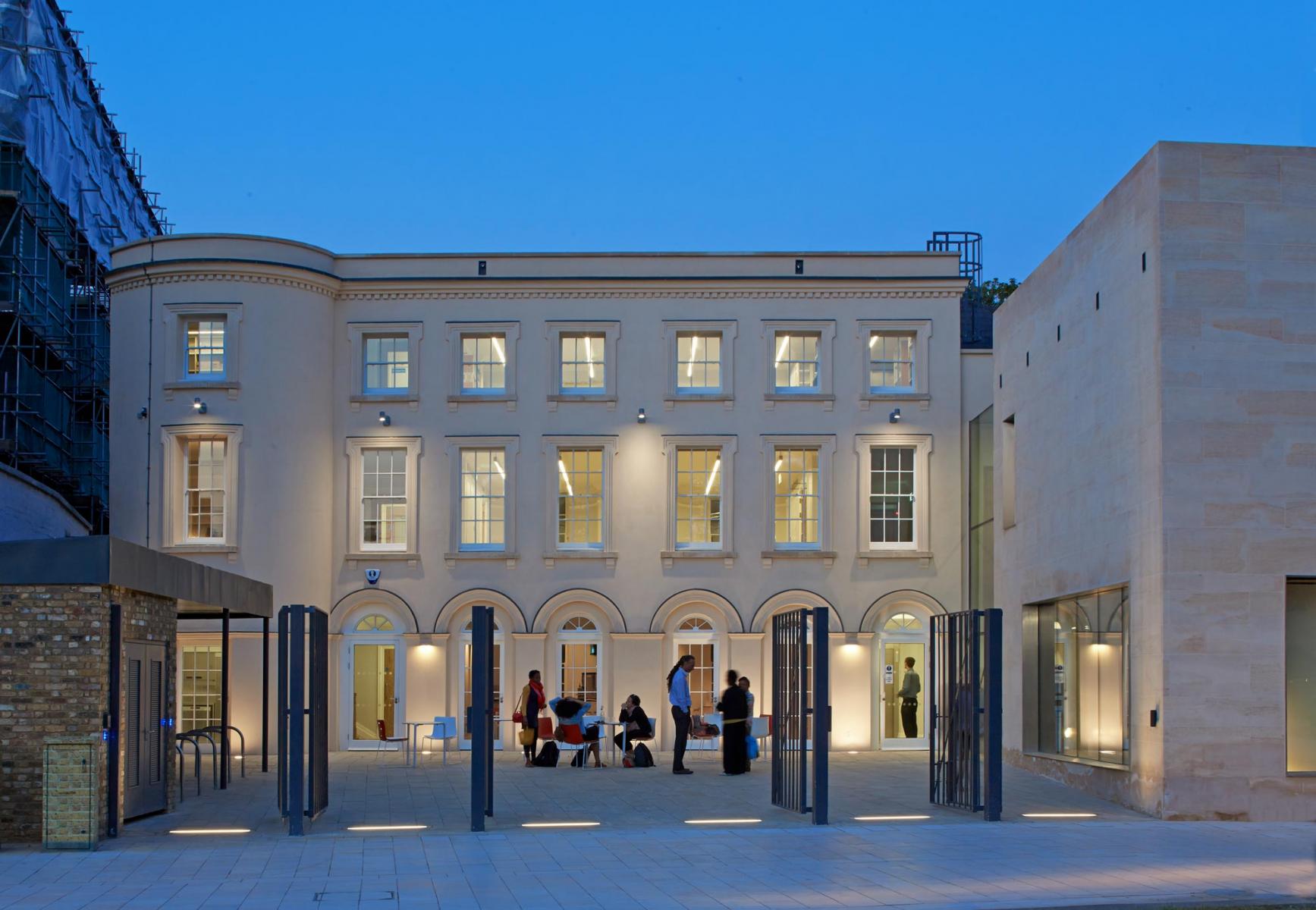
A national heritage center dedicated to collecting and preserving histories of African and Caribbean people in Britain.
Check the main gallery for rotating exhibitions on local history.
Brixton serves as a central hub for Caribbean cuisine and global food markets in London. Visitors can choose between bustling market stalls or sit-down dining at established local institutions.
market
A collection of independent eateries featuring diverse global cuisines located under the Victorian arcades.
market
A community-focused space constructed from recycled shipping containers offering rotating street food vendors near the station.
restaurant
The original sourdough pizza site that started in Brixton Market, known for its simple menu and traditional techniques.
restaurant
A staple of the Brixton food scene offering authentic Caribbean dishes such as jerk chicken and saltfish fritters in the market.
market
An historic covered market area housing long-standing independent butchers, fishmongers, and specialty grocers alongside modern cafes.
Brixton's transformation began in the mid-19th century when railway expansion turned scattered farmland into dense Victorian terraces. The arrival of the London, Chatham and Dover Railway in 1862 accelerated suburban development, attracting middle-class families and department stores that rivaled the West End. By the 1920s, Brixton had become one of south London's busiest commercial districts, anchored by the Electric Avenue market—one of the first shopping streets in Britain lit by electricity. The postwar era redefined what Brixton is known for. Between 1948 and 1971, thousands of Caribbean migrants arrived under the British Nationality Act, many disembarking at nearby Tilbury and settling in Brixton's affordable housing. This Windrush generation established the neighborhood as the cultural heart of Black Britain, founding churches, sound systems, and the political movements that challenged institutional racism. The 1981 Brixton riots, sparked by heavy-handed policing and economic neglect, forced national debates on racial justice and urban inequality. Brixton's music legacy runs from reggae to grime. The Brixton Academy, opened in 1929 as a cinema and converted to a concert hall in 1983, has hosted defining performances by The Clash, David Bowie, and Stormzy. Local sound system culture in the 1970s and 1980s incubated dub and lovers rock, genres now recognized as distinctly British contributions to global music. Today visitors see this layered history in Brixton Village and Market Row, where Caribbean grocers and West African eateries trade alongside specialty coffee roasters. The murals on Coldharbour Lane and the mosaics beneath the railway bridge on Atlantic Road document decades of activism, migration, and resilience still visible in the streets.
London, Chatham and Dover Railway opens Brixton station, triggering rapid suburban expansion across former market gardens.
Electric Avenue becomes one of the first British shopping streets illuminated by electric light, cementing Brixton's status as a commercial hub.
HMT Empire Windrush docks at Tilbury; many Caribbean passengers settle in Brixton, beginning the area's transformation into the heart of Black British culture.
Brixton riots erupt in April following Operation Swamp 81, forcing national debates on policing, racism, and urban deprivation.
Brixton Academy converts from cinema to concert venue, becoming a landmark stage for punk, reggae, and hip-hop artists.
Gentrification accelerates as Brixton Village and Market Row attract international attention, sparking tensions over displacement and cultural preservation.
Brixton is located in the London Borough of Lambeth and is most easily accessed via the London Underground network. The Brixton station serves as the southern terminus of the Victoria line, placing visitors directly in the heart of the district.
Victoria line to Brixton station
Southeastern services to Brixton station
Routes 2, 3, 35, 37, 45, 59, 109, 118, 133, 159, 196, 250, 322, 333, 345, 415, 432, P4, P5
Walk from Brixton station to the market area
For the most efficient start to your visit, aim to arrive between 10:00 and 16:00 to experience the local street atmosphere. When exiting the Underground station, follow signs for Brixton Village or Electric Avenue to reach the main commercial hub immediately.
Brixton is a public district accessible at all hours, though individual shops, markets, and venues operate on their own specific schedules. Please consult individual business listings for their precise opening times.
Everything you need to know about what is brixton known for
Brixton is widely recognized for its vibrant Afro-Caribbean heritage, independent street art, and a dynamic music scene that has shaped London culture for decades. Many visitors ask what is Brixton known for to better understand the neighborhood's role as a hub for artistic expression and social change.
There is 0 GBP entrance fee to the public district as it is an open area. You can explore the streets and markets freely without any cost.
The best arrival window is 10:00–16:00 to experience the vibrant markets and local street atmosphere. Visiting during these hours ensures you see the neighborhood at its most active.
Yes, the area is highly regarded for its diverse culinary scene, making it a perfect destination for a Brixton food tour. Understanding what is Brixton known for often involves sampling the unique flavors found within its historic markets.
The area has a rich musical legacy, famously associated with the Electric Brixton venue and being the birthplace of David Bowie. This deep connection to sound and performance is a key part of what is Brixton known for among music enthusiasts.
Brixton is located at Brixton, London, SW9, United Kingdom, and is easily accessible via the London Underground Victoria line. Public transport provides a direct route into the heart of the district.
Yes, the area is accessible daily with opening hours from Monday to Sunday, 00:00–23:59. While general access is constant, specific shop hours within the markets may vary.